The Ultimate Playbook for Launching Your Beverage Brand
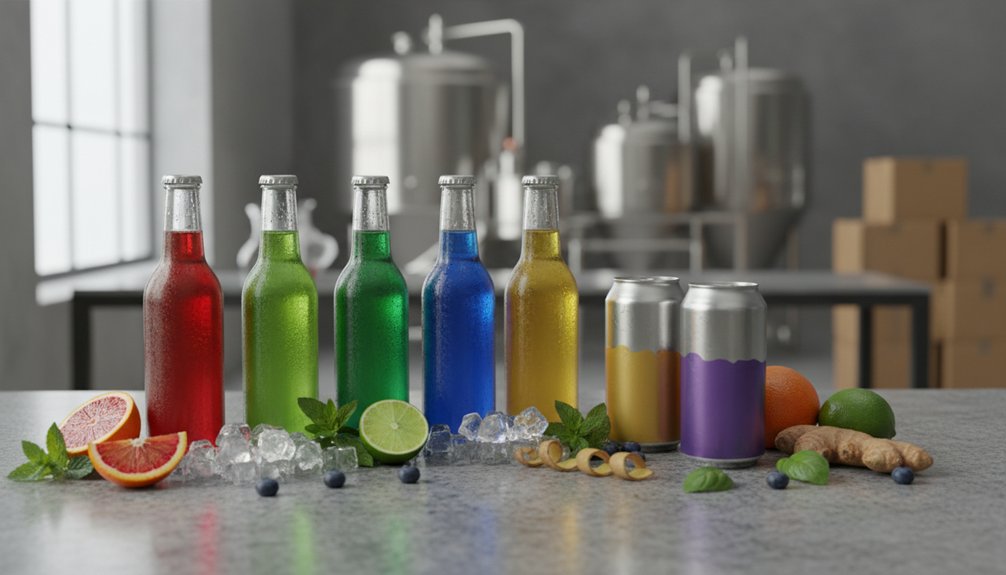
Picture your beverage brand on a crowded shelf: its color catches the eye, but a clear reason to choose it earns the sale. To build a brand that lasts, you’ll need more than a promising recipe—you’ll need real customer insight, careful testing, compliant production, and packaging that tells your story. Each step can sharpen your idea or expose a costly gap. The first decision may determine which.
Validate Your Beverage Idea and Find Customers

Before investing in a full launch, make sure people actually want your beverage. Market research helps you discover who might buy it, what they already drink, and where your idea could stand out. Study competing brands, browse retail shelves, and look for unmet needs—not just trends that may fade before your first sale.
Then talk directly with potential customers. Share your concept, ask what appeals to them, and invite honest consumer feedback. Don’t ask only whether they like the idea; find out when they’d drink it, what they’d pay, and what might stop them from buying.
Listen for patterns instead of chasing every opinion. This is all part of drink product development for a successful brand.
Use what you learn to define your audience and sharpen your brand’s promise. When real customers show genuine interest, you’ll have a stronger foundation for launch—and fewer costly guesses.
Develop and Test Your Beverage Recipe
Once you’ve confirmed customers want your idea, turn it into a recipe they’ll want to drink again. Start with a simple formula, then use Flavor experimentation to find the balance that makes your beverage distinctive. Adjust sweetness, acidity, aroma, and texture one element at a time. Keep notes so you can repeat your best results—and spot what needs work.
Treat Ingredient sourcing as part of the recipe, not an afterthought. Compare samples, check consistency, and choose ingredients that deliver the taste and quality your customers expect. Then invite your target audience to taste several versions. Ask what they’d buy, what they’d change, and which flavor they remember.
Refine the recipe based on honest feedback, not personal preference alone. When tasters reach for another sip, you’re building a drink worth bringing to market.
Prepare for Compliant Beverage Production
A great recipe needs a compliant production plan before it can reach customers. Before you scale, confirm which licenses, permits, and inspections apply to your facility and product. Requirements vary by location and beverage type, so consult your local regulators and a qualified food-safety professional.
Build a written food-safety plan, document sanitation procedures, and train every person who handles your drink. Track ingredients, suppliers, batches, and processing conditions so you can trace a problem quickly and protect customers.
Regulatory compliance also means getting your formula and claims reviewed before production. Check Labeling standards for required ingredient lists, allergen declarations, nutrition details, and other information in your market.
Don’t guess or copy another brand’s label; verify every statement against current rules. A reliable production partner can help you meet requirements, maintain consistent quality, and launch with confidence.
Package, Promote, and Sell Your Beverage
With production ready, turn your beverage into a product people notice, trust, and want to buy. Use packaging design to make its purpose clear at a glance: highlight key benefits, choose readable labels, and create a look that stands out on crowded shelves. Keep every claim accurate and compliant.
Build brand storytelling around what makes your drink worth choosing, from its ingredients to the moment it fits into someone’s day. Share that story consistently across your website, social channels, and retail materials. Invite people to sample, respond, and share their experience; their feedback can sharpen your message and strengthen loyalty.
Then choose sales channels that match your audience and budget. Pitch local retailers, sell directly online, or test pop-ups before expanding. Track sales, repeat purchases, and customer comments. Use what you learn to refine your offer and grow with confidence.
Frequently Asked Questions
How Do I Protect My Beverage Brand’s Name and Logo?
Protect your beverage name and logo with Trademark protection: search existing marks, then register yours in relevant markets and categories. Monitor new filings, document misuse, and pursue Brand enforcement promptly to keep your identity unmistakably yours.
Should I Form an LLC or Another Business Entity?
Choose an LLC for liability protection and flexibility—but don’t pour every business into the same mold. Your needs, taxes, and growth plans matter; consult an attorney. Trademark registration protects your Brand identity, not your entity choice.
How Can I Find Investors or Secure Startup Funding?
You can fund your startup by pitching angel investors, launching Crowdfunding campaigns, and applying for grants or loans. Build a compelling pitch, validate demand, and use your network for warm angel investor outreach.
What Should I Include in a Beverage Brand Partnership Agreement?
If you partner with a café to launch a sparkling tea, define ownership, Product formulation, quality standards, Distribution channels, costs, revenue splits, marketing duties, exclusivity, timelines, termination, and dispute resolution. Get legal counsel before signing to protect your brand.
How Do I Plan an Exit or Succession Strategy for My Beverage Business?
Plan your exit early: define your goals, value your business, and choose a buyer, successor, or family member. Strengthen Market positioning and Customer retention, document operations, consult legal and financial advisers, and prepare your team for shift.
Conclusion
Your beverage brand won’t succeed on a clever idea alone—it needs customers, a recipe they love, compliant production, and packaging that earns a second look. Picture a shopper scanning a cooler packed with dozens of choices: your brand has seconds to stand out. Test, listen, and refine before you scale. Then keep tracking sales and feedback after launch. With each smart adjustment, you give your drink a better chance to move from overlooked bottle to customer favorite.