Pop, Lock, and Sell: How to Market a New Drink Brand From Zero to Shelf-Dominance
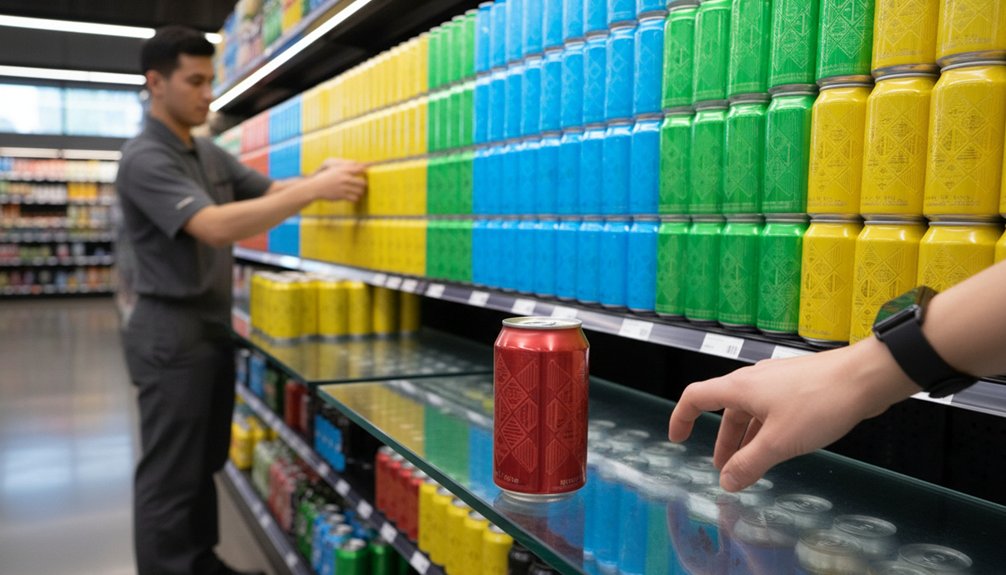
Nearly 80% of new consumer products fail, often because brands mistake initial interest for lasting demand. If you’re launching a new drink brand, you’ll need more than a memorable flavor: you must validate your audience, price for retail margins, and give buyers a clear reason to choose your product again. The path from first sip to shelf-dominance depends on a few decisions most founders make too late.
Define Your Drink Brand and Promise
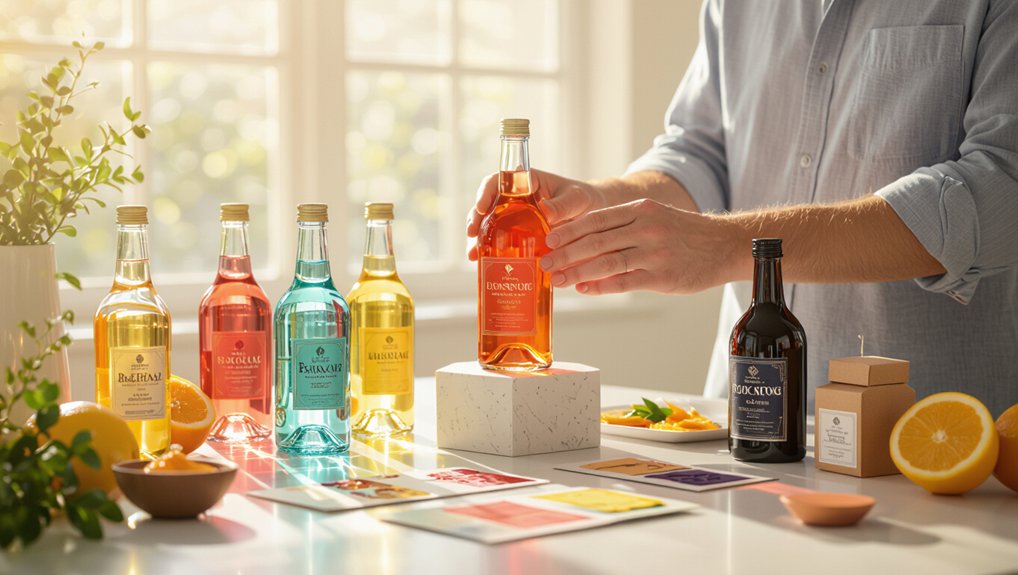
Before you choose a logo or launch a campaign, define what your drink brand stands for and the promise it makes to customers. Decide which need your product meets and what makes its benefit credible. Your promise might center on refreshment, convenience, distinctive ingredients, or a more mindful routine—but it must match what’s in the can and what customers experience with every sip.
Use Flavor innovation to create a product difference people can taste, not just a claim they’ll forget. Then build Brand storytelling around the choices behind that difference: your ingredients, purpose, and standards. Keep the story consistent across packaging, pricing, and promotion.
Track whether customers remember your promise, recognize your product, and buy again. Those signals reveal whether your positioning feels clear and valuable. A focused brand promise guides decisions as you grow.
Find and Validate Your Target Customers
Who’s most likely to choose your drink—and why? Start with Customer segmentation, grouping potential buyers by needs, habits, occasions, and values—not age alone. You might target commuters seeking convenient energy, parents choosing low-sugar options, or fitness fans wanting hydration.
Pick one promising group whose needs match your brand promise.
Then use Market research to test that fit. Interview likely buyers, observe shopping behavior, and run small tastings with competing products as benchmarks. Ask what they’d choose, when they’d drink it, and what would make them switch. Track purchase intent alongside actual trial and repeat behavior; enthusiasm alone won’t prove demand.
Compare findings across channels and customer groups. If evidence points to a clear, reachable audience, refine your message around its strongest need. If not, adjust your segment or product proposition before expanding.
Price Your Drink for Retail Profit
To price your drink profitably, calculate every cost—from ingredients and packaging to freight and retailer fees.
Then set a margin that covers those costs while leaving retailers enough room to profit.
Use verified cost data, not guesswork, to build a price that can scale.
Calculate Your True Costs
What does it really cost to put your drink on a retail shelf? Start with your fully loaded unit cost, not just the liquid and packaging. Add ingredients, cans or bottles, labels, production labor, freight, storage, insurance, and any distributor or broker fees.
Then capture launch expenses, such as samples, promotions, and retailer setup charges, so your forecast reflects the cash required to sell.
A disciplined Cost analysis shows which expenses rise with volume and which remain fixed. Use supplier quotes and actual production data, then test costs at realistic order sizes; small runs often carry higher per-unit charges.
Track each assumption in a spreadsheet and update it as contracts change. This gives you a reliable foundation for evaluating profit margins and prevents hidden costs from eroding the economics behind your retail price.
Set Retail-Ready Margins
Once you know your fully loaded unit cost, set a retail price that leaves room for profit across the entire sales chain. Map the economics backward: estimate the retailer’s margin, distributor markup, trade promotions, and your own contribution margin before choosing a shelf price.
For example, if a retailer targets 40% gross margin, your wholesale price must support that target while covering your costs and profit. Validate assumptions with buyer conversations and competitor price checks, then model best-, base-, and worst-case scenarios.
Don’t discount blindly; calculate how each promotion affects net revenue and reorder potential. Your price also signals quality, so align it with Brand storytelling and the audience’s willingness to pay.
Protect margin for sampling and Shelf placement, but track velocity: a profitable price must still earn repeat purchases. Revisit pricing as costs, channels, and demand change.
Design Drink Packaging That Stands Out
Because shoppers often make split-second choices, your drink packaging must grab attention, communicate your brand’s promise, and make the product easy to identify. Use color psychology to signal flavor, function, or mood, then test designs with target buyers rather than relying on assumptions.
Strong typography choices help shoppers read your brand name and key benefit from a distance, while clear information hierarchy guides them to ingredients and claims. Build a distinctive visual system that works across can sizes, cases, and digital product images.
Check shelf visibility against competing products, including how your package looks under store lighting and from several feet away. Prioritize legibility, contrast, and recognizable brand cues; decorative details shouldn’t obscure essential information.
Before approving production, review print proofs and confirm materials protect the drink and meet retailer requirements.
Plan Your Drink Brand Launch
A successful drink launch starts with a focused plan, not a big splash. Set measurable goals for your first 90 days: target accounts, sales velocity, repeat orders, and awareness.
Use category data and retailer conversations to choose launch markets where demand, distribution, and pricing align. Prioritize channels you can support reliably instead of chasing national reach too soon.
Build a calendar that coordinates production, inventory, retailer outreach, digital content, and paid media. Assign owners, deadlines, and budgets so your team can act quickly when results diverge from forecasts.
Make Flavor innovation a clear point of difference, then reinforce it through branding consistency across your packaging, website, and sales materials.
Track weekly performance against benchmarks, and adjust spend, messaging, or distribution based on evidence. A disciplined plan helps you protect cash, earn retailer confidence, and scale what works.
Use Drink Sampling to Win First-Time Buyers
Place samples where your target shoppers already gather, such as busy stores, events, and fitness studios.
Track which locations generate the most trial and follow-up purchases so you can focus your budget where it works.
Make each first sip count with a clear flavor payoff and a simple prompt to buy.
Sample Where Shoppers Gather
Sampling turns a shopper’s curiosity into a first sip—and gives a new drink brand a chance to earn its first-time buyers. To make that chance count, put your team where your target customers already gather. Choose community hubs, farmers’ markets, fitness events, and shopping districts that match your audience’s routines and spending habits.
Use local foot-traffic data, event attendance, and retailer insights to compare locations before you commit. A busy venue isn’t automatically a good venue; prioritize qualified reach over raw crowds.
Schedule sessions around peak traffic, then coordinate with nearby stores so shoppers can find your drink after sampling. Track samples distributed, conversations started, and store visits or purchases tied to each activation.
These results show which locations deliver efficient trial—and where you should invest next.
Make First Sips Count
Choosing the right venue earns attention; a well-designed sampling experience turns that attention into a first purchase. Give shoppers a quick, easy first sip, then make the next step obvious: offer a limited-time coupon, point to the shelf, or bundle the drink with a complementary product.
Track samples served, redemptions, and purchases to see which locations and offers convert.
Let the liquid lead, but give each taste a reason to remember your brand. Use Flavor innovation to spotlight a distinctive ingredient, texture, or benefit, and pair it with concise Brand storytelling that explains why you created the drink.
Train staff to describe the flavor in plain language and invite honest feedback. Compare responses across venues and audiences; use those insights to refine your pitch, product, and sampling strategy.
A memorable sip should earn both a second look and a sale.
Pitch Retailers With a Clear Sales Story
When you pitch retailers, lead with a sales story that shows why your drink will earn its shelf space. Connect your product’s point of difference to a specific shopper need, then support the claim with evidence: taste-test results, repeat-purchase rates, category trends, or sales from comparable accounts. Your Brand storytelling should make the benefit memorable, while your numbers show that demand can translate into revenue.
Make the retailer’s decision easy. Present your target customer, price point, margin, case pack, and launch forecast in a concise sell sheet. Explain how your packaging stands out and where Shelf placement could help shoppers find it. Bring samples, answer operational questions, and state the order you’re seeking.
Don’t promise unsupported growth; show a realistic path from trial to repeat purchase. A focused pitch positions you as a reliable partner, not just another product.
Promote Your Drink Locally and Online
Once retailers are ready to stock your drink, build local and online demand that brings shoppers to the shelf and gives them a reason to buy again. Focus your launch on the neighborhoods surrounding each store.
Offer tastings at gyms, markets, and community events, then direct attendees to nearby retailers with clear purchase details. Use social media to share short product demos, local store locations, and customer reactions.
Track clicks, event attendance, and coupon redemptions to see which messages drive store visits. Choose creators whose audiences match your target buyers; thoughtful influencer outreach can earn credible recommendations without wasting budget on broad reach.
Give partners unique links or codes, and provide ready-to-use facts and visuals. Keep promotions consistent across channels so shoppers recognize your drink wherever they encounter it and know exactly where to find it.
Measure Repeat Sales and Expand Distribution
Track sales by store and week to distinguish first-time purchases from repeat demand. Compare units sold with promotions, inventory, and foot traffic so you can see what’s driving each lift. Ask retailers for scan data, and monitor out-of-stocks; a missed sale can distort your read on demand.
Survey buyers or use loyalty data to learn whether taste, price, or convenience brings them back. Strong Consumer loyalty signals that your product can earn lasting turns, not just trial.
Use those results to refine Shelf placement, pricing, and messaging before pitching more stores. Start with nearby retailers that match your best-performing accounts, then show buyers repeat rates, velocity, and reliable fulfillment.
Expand in measured waves, tracking each new market against your baseline. If sales soften, investigate availability and placement before adding promotions. Scale where the numbers support it, and protect the customer experience as distribution grows.
Frequently Asked Questions
What Permits and Licenses Do I Need to Sell a New Drink Brand?
You’ll typically need business and tax registrations, food-facility permits, product labeling compliance, and possibly state or local beverage licenses; requirements vary by location and ingredients. Verify rules with regulators before launch, alongside Market research and branding strategies.
How Do I Find a Beverage Manufacturer or Co-Packer?
You’ll find a co-packer by comparing beverage specialists, touring clean facilities, and checking references. Request quotes covering minimum runs, ingredient sourcing, packaging options, certifications, and lead times; then test samples and verify capacity before signing.
What Food Safety Rules Apply to Producing and Storing My Drink?
You must follow FDA food-safety rules, including cGMPs, hazard analysis, preventive controls, sanitation, and safe storage temperatures. Confirm state and local requirements; verify Packaging regulations and Labeling compliance before launch. Keep records, test products, and train staff.
How Can I Protect My Drink Formula and Brand Name?
Treat your formula like a vault and your brand name like a flag. Use trade secrets and access controls; pursue Patent applications if your formula qualifies. Secure Trademark protection, then monitor filings and marketplaces for conflicts.
What Funding Options Can Help Cover Beverage Production Costs?
You can fund beverage production through Crowdfunding campaigns, angel investor funding, small-business loans, or purchase-order financing. Compare costs, control, and repayment terms; use credible sales forecasts to secure capital without overextending your cash flow.
Conclusion
Your drink brand won’t dominate shelves by chance; you’ll earn growth through clear positioning, validated demand, sound margins, and consistent execution. Treat every sample, sale, and retailer conversation as data, then use what you learn to sharpen your offer and expand wisely. Build repeat purchase before chasing broad distribution, and make each launch decision support your promise. Like a well-mixed drink, your strategy needs the right ingredients in balance. Track results, adapt quickly, and turn early traction into lasting shelf presence.