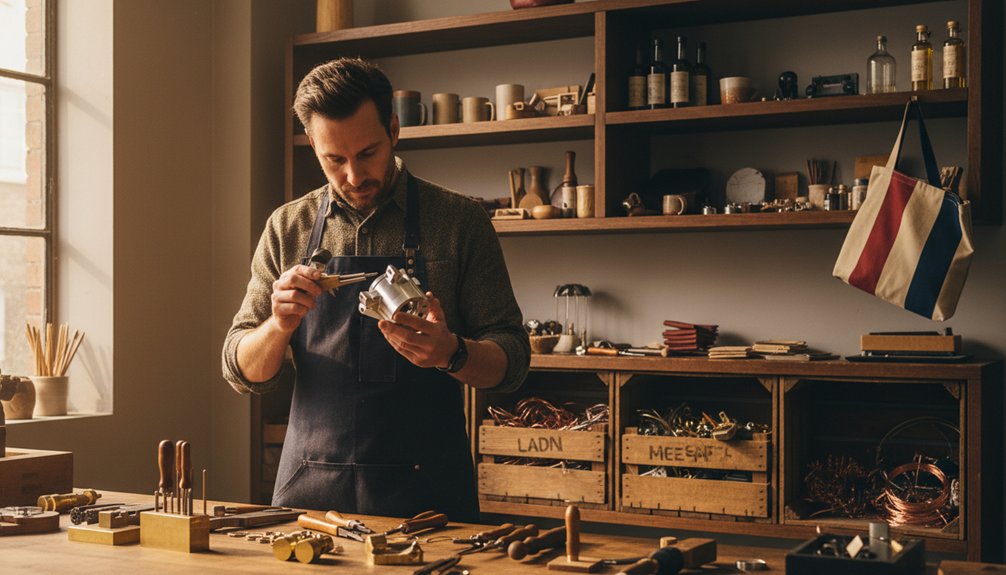
When you show how your products are made, you give customers more than features—you give them reasons to trust your brand. UK companies can use people, places, materials, and processes to turn manufacturing into credible stories about quality, heritage, and responsibility. With the right evidence and channels, these stories can strengthen awareness and loyalty. The opportunity lies in choosing which details will matter most to your audience—and proving them convincingly.
Why UK Manufacturing Stories Build Brand Awareness

UK manufacturing stories build brand awareness because they give your audience a credible reason to remember and trust you. When you explain where, how, and why you make products, you turn an abstract promise into evidence customers can evaluate. That transparency supports consumer trust, especially when buyers want quality, ethical standards, and dependable performance.
You can also use production expertise to create market differentiation. Many brands claim innovation; fewer demonstrate specialised processes, rigorous testing, or long-standing capabilities rooted in Britain. By connecting these strengths to customer benefits, you make your positioning clearer and more persuasive.
A strong manufacturing narrative gives your marketing substance across websites, campaigns, retail materials, and media coverage. It helps customers recall what makes you distinctive, strengthens perceived value, and gives commercial teams a consistent story to share at every stage of the buying journey.
Show the People Behind the Product
Your manufacturing story becomes more memorable when customers can see the people who make it possible. Introduce the designers, machinists, engineers, and finishers who shape each product, and explain the decisions they make every day. Short interviews, workshop photographs, and behind-the-scenes videos can turn anonymous production into a human experience.
Give each person a clear role in your brand story, showing how expertise, care, and problem-solving influence the final result. You’ll build credibility when employees speak in their own words rather than through polished corporate claims.
Connect their experiences to artisan traditions and share craftsmanship stories that reveal patience, precision, and pride. This approach helps customers remember your people, not just your products, while creating relatable content they’ll trust, discuss, and share across their networks.
Highlight the Value of Local Craftsmanship
Local craftsmanship can give your brand a distinctive advantage by linking every product to a real place, skilled makers, and established traditions. When you explain how local specialists shape, stitch, forge, or finish each item, you turn production into a memorable reason to choose you.
Show the Artisan techniques that create distinctive textures, details, and durability, then connect them to the region’s identity. This approach helps you position quality as something tangible rather than a vague promise.
It also supports Heritage preservation by keeping specialist knowledge visible, valued, and relevant to modern customers. Use clear stories across packaging, websites, and campaigns, so your audience recognises the place and practice behind your products.
You’ll build stronger recall while making local expertise central to your brand’s identity.
Prove Ethical Sourcing With Evidence
You’ll build trust when you publish clear supply-chain evidence, from supplier details to production locations.
Show ethical certification proof and explain what each standard verifies.
This transparency turns responsible sourcing into credible, compelling brand awareness.
Publish Supply Chain Evidence
Publish more than a sourcing claim—show the evidence behind it. Give customers a clear view of how you make products, from raw-material origins to manufacturing decisions. Supply chain transparency turns an ethical promise into something people can assess, remember, and share. Publish supplier locations, production stages, material records, and dates, then explain what each detail means for workers, communities, and the environment.
Use Factory inspections to strengthen your account. Summarise inspection scope, findings, corrective actions, and follow-up dates without hiding difficult results. Honest reporting builds more credibility than polished storytelling because it shows you’re managing risk, not merely describing values.
Create a dedicated evidence hub, link it from product pages, and update it regularly. When customers can verify your progress, your manufacturing story becomes a durable reason to trust your brand.
Show Ethical Certification Proof
Show recognised ethical certifications as verifiable evidence, not decorative badges. When you feature Fairtrade, GOTS, B Corp, or FSC credentials, explain precisely what each standard covers, who awarded it, and when it was last reviewed. Link directly to certification records, audit summaries, or supplier documentation so customers can investigate your claims rather than simply trust them.
Strong certification transparency turns a manufacturing story into credible reassurance. You’ll also strengthen your ethical proof by identifying the certified product, facility, or material; broad claims can mislead when approval applies only to one stage of production. Use plain language to clarify limitations, renewal dates, and improvement requirements.
Then connect each credential to a meaningful customer benefit, such as safer labour conditions or responsible forestry. Evidence-led storytelling builds awareness because it replaces vague virtue signalling with accountable, verifiable action.
Make Manufacturing Innovation Easy to Understand
You can explain complex processes by translating technical steps into clear, relatable benefits. Show how smart solutions improve quality, efficiency, or sustainability rather than relying on jargon.
When customers understand the innovation, they’ll see why your manufacturing expertise matters.
Explain Complex Processes
When a manufacturing process involves robotics, advanced materials, or precision engineering, UK brands can turn technical complexity into a clear, compelling story. You don’t need to overwhelm audiences with technical jargon. Instead, explain each stage in plain language, showing what happens, why it matters, and how it improves the finished product.
Process visualization can make invisible work tangible through diagrams, animations, factory footage, or close-up demonstrations. You can guide viewers from raw material to final outcome, connecting specialist decisions with everyday benefits such as durability, safety, or efficiency.
This approach builds understanding without diluting credibility. When customers grasp the craft behind your products, they’re more likely to value your expertise, remember your brand, and trust your claims. Keep the narrative focused, accurate, and relevant to their needs.
Showcase Smart Solutions
Clear process stories can do more than explain how a product is made—they can reveal the intelligent solutions behind it. Show your audience how engineers solve practical challenges, from reducing material waste to improving product consistency.
Instead of hiding technical details behind jargon, translate each breakthrough into a clear customer benefit. You might demonstrate how automation shortens delivery times, sensors protect quality, or renewable energy lowers production impact.
Position these examples within your broader brand strategy. When you explain Digital transformation through relatable outcomes, you make innovation feel useful rather than intimidating. Highlight Sustainable innovations with evidence, such as reduced emissions, longer product life, or more efficient packaging.
Visuals, brief interviews, and before-and-after comparisons can strengthen your message. By making smart manufacturing easy to understand, you’ll build credibility, invite engagement, and give customers stronger reasons to choose your brand.
Link Manufacturing Details to Customer Values
Manufacturing details matter most when they reflect what your customers value, turning choices such as British sourcing, low-waste production, or skilled craftsmanship into meaningful reasons to trust and choose your brand.
Show how Historical craftsmanship supports quality, durability, and local expertise rather than presenting heritage as decoration. If your audience prioritises responsible consumption, connect Modern sustainability to measurable actions, including recycled materials, renewable energy, efficient packaging, or longer product lifecycles.
You’ll build stronger awareness when every claim answers a customer question: Why does this matter to me? Translate technical decisions into benefits people can recognise, such as reliability, ethical employment, reduced waste, or reduced replacement costs.
Be specific and transparent, because credible evidence makes your story persuasive. When manufacturing reinforces your customers’ principles, your brand becomes easier to remember, trust, and choose.
Use Video to Share Manufacturing Stories
Video gives you a direct way to show how your products are made, turning manufacturing claims into visible proof. Take viewers inside your UK facilities with purposeful footage of skilled workers, carefully selected materials, quality checks, and responsible processes.
Use factory aesthetics—machinery, textures, movement, and natural sound—to create a distinctive visual identity rather than presenting a polished but generic advertisement.
Apply storytelling techniques that give each film a clear human focus. Introduce the maker, explain the challenge, and show how expertise shapes the final product. Short interviews, close-up details, and behind-the-scenes sequences can make complex production accessible while reinforcing the values you established in earlier messaging.
Keep your tone honest: acknowledge imperfections where appropriate, and let evidence carry your claims. A consistent video series can turn manufacturing into an engaging, recognisable brand experience.
Measure Results From Manufacturing Content
Once your manufacturing stories are reaching audiences, track how they influence awareness, trust, and action. Set clear objectives before publishing: you might want stronger brand recall, more website visits, qualified enquiries, or improved engagement with UK buyers.
Use Data analytics to compare video views, completion rates, search traffic, social shares, and conversion paths. Don’t celebrate reach alone; examine whether viewers move closer to choosing your brand.
Pair performance data with Customer feedback. Ask prospects what they found credible, memorable, or unclear, then connect their responses to campaign results. Monitor sentiment in comments, reviews, and sales conversations to identify trust signals and objections.
Review results regularly, test different story angles, and refine your content accordingly. When you link storytelling activity to commercial outcomes, you’ll invest confidently in the manufacturing narratives that strengthen awareness and generate demand.
Frequently Asked Questions
How Can Small UK Brands Afford to Create High-Quality Manufacturing Content?
You can create high-quality manufacturing content affordably by filming authentic workshop moments on your phone, interviewing makers, and repurposing footage. These storytelling techniques strengthen Brand authenticity, build trust, and deliver enduring marketing value without expensive production.
Which Legal Permissions Are Needed When Filming Inside a Manufacturing Facility?
Check permissions first: 58% of UK businesses reportedly face compliance risks from unclear ownership. You’ll need Legal compliance, facility-owner consent, filming permits, worker releases, and product or trademark approvals before recording or publishing footage.
How Often Should Brands Update Their Manufacturing Stories?
Update your manufacturing stories quarterly, or whenever meaningful changes occur. Invigorating regularly protects story authenticity, while content consistency keeps audiences engaged. Review production milestones, sustainability improvements, and customer questions to maintain relevance without forcing unnecessary updates.
Can Manufacturing Stories Support Recruitment as Well as Customer Awareness?
Yes, you can attract talent: imagine showcasing apprentices mastering sustainable production. You’ll strengthen workforce engagement, demonstrate brand authenticity, and help candidates picture meaningful careers, while customers gain confidence in your people, purpose, and progress.
What Mistakes Should Brands Avoid When Presenting Manufacturing Challenges?
Avoid Manufacturing transparency that exaggerates setbacks, hides accountability, or promises easy fixes. Frame Production challenges honestly, explain your decisions, protect confidential details, and show measurable improvements, so audiences trust your resilience rather than doubt your competence.
Conclusion
When you share how products are made, you’re not just explaining a process—you’re inviting customers behind the curtain. People, craftsmanship, ethical proof, innovation, and video can transform supply chains into stories that feel real and memorable. Like turning the pages of a trusted family recipe, this transparency helps audiences recognise what your brand stands for. Measure engagement, trust, and conversions, then refine your approach. Do that consistently, and manufacturing becomes a powerful engine for awareness and loyalty.